

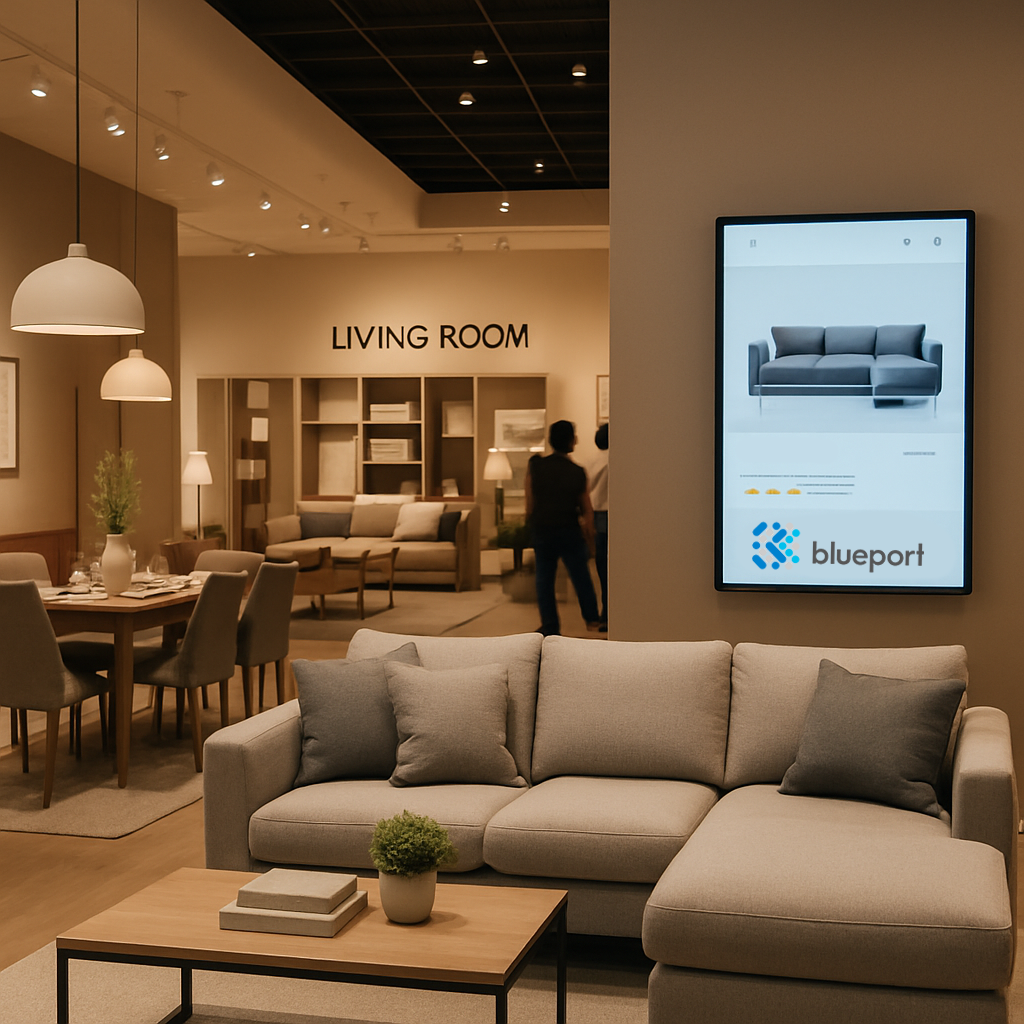
Seamless Omnichannel Is No Longer Optional
Shoppers move across channels routinely.
- They browse online.
- They visit the store.
- They compare, save, revisit, and decide later.
And when retailers acknowledge that reality, performance improves.
Roughly 73 percent of shoppers use multiple channels before buying. These customers spend more and convert at higher rates when messaging and merchandising reflect their cross-channel behavior.
The opportunity is not just being present everywhere. It is being consistent everywhere.
The Metric Too Many Retailers Underestimate
Average Ticket Size matters more than most retailers realize.
It is one of the clearest indicators of how well merchandising and experience are working together. Yet it often receives less attention than traffic or conversion rate.
When retailers focus on ATS, they unlock meaningful gains:
- identifying which products truly anchor the sale
- building smarter promotions
- encouraging add on purchases
- increasing revenue without increasing traffic
Most retailers already do this instinctively in store. The question is whether the website reinforces it.
Product Placement Works for a Reason
Walk into a well-run showroom and you will see it immediately.
Big ticket items front and center. Statement pieces. High quality collections that set the tone.
This works because it triggers value perception and desire early in the visit. It shapes the rest of the shopping experience.
Now ask the harder question. Does your website do the same thing?
Too often, the answer is no. Online experiences default to endless grids and filters instead of intentional placement. Omnichannel only works when digital merchandising mirrors physical strategy.
Bundles Drive Confidence and Spend
Packages, rooms, and bundles are powerful.
- Customers perceive them as better value.
- They simplify decision making.
- They increase willingness to spend more than on individual items alone.
Retailers execute this well in store every day.
- Bedroom sets.
- Living room packages.
- Designer curated rooms.
But many fail to bring this strategy online.
If bundling increases perceived value in store, it should do the same on the website.
Where Most Platforms Fall Short
Here is where the omnichannel experience usually breaks.
- Most platforms do not support true online to offline order flow.
- Most do not allow store quotes or designer recommendations to follow the shopper home.
- Most force the journey to restart when the channel changes.
That friction costs sales.
This Is Where Blueport OneView Comes In
Blueport OneView connects the journey instead of fragmenting it.
It allows:
- store quotes to become preloaded online carts
- online carts to be completed in store
- shoppers to add, adjust, and finish purchases on their terms
The journey stays intact.
The context is preserved.
The retailer remains relevant at every step.
This is not theoretical omnichannel. It is practical execution.
The Takeaway
Retailers already know how to merchandise and sell big ticket purchases. The opportunity now is extending those same principles into digital experiences that reflect how shoppers actually behave.
When online and in store strategies align, average ticket size grows, confidence increases, and conversion follows.
That is what seamless omnichannel is meant to deliver.